Loading...
Serving Maywood, CA and surrounding areas. (213) 953-8080
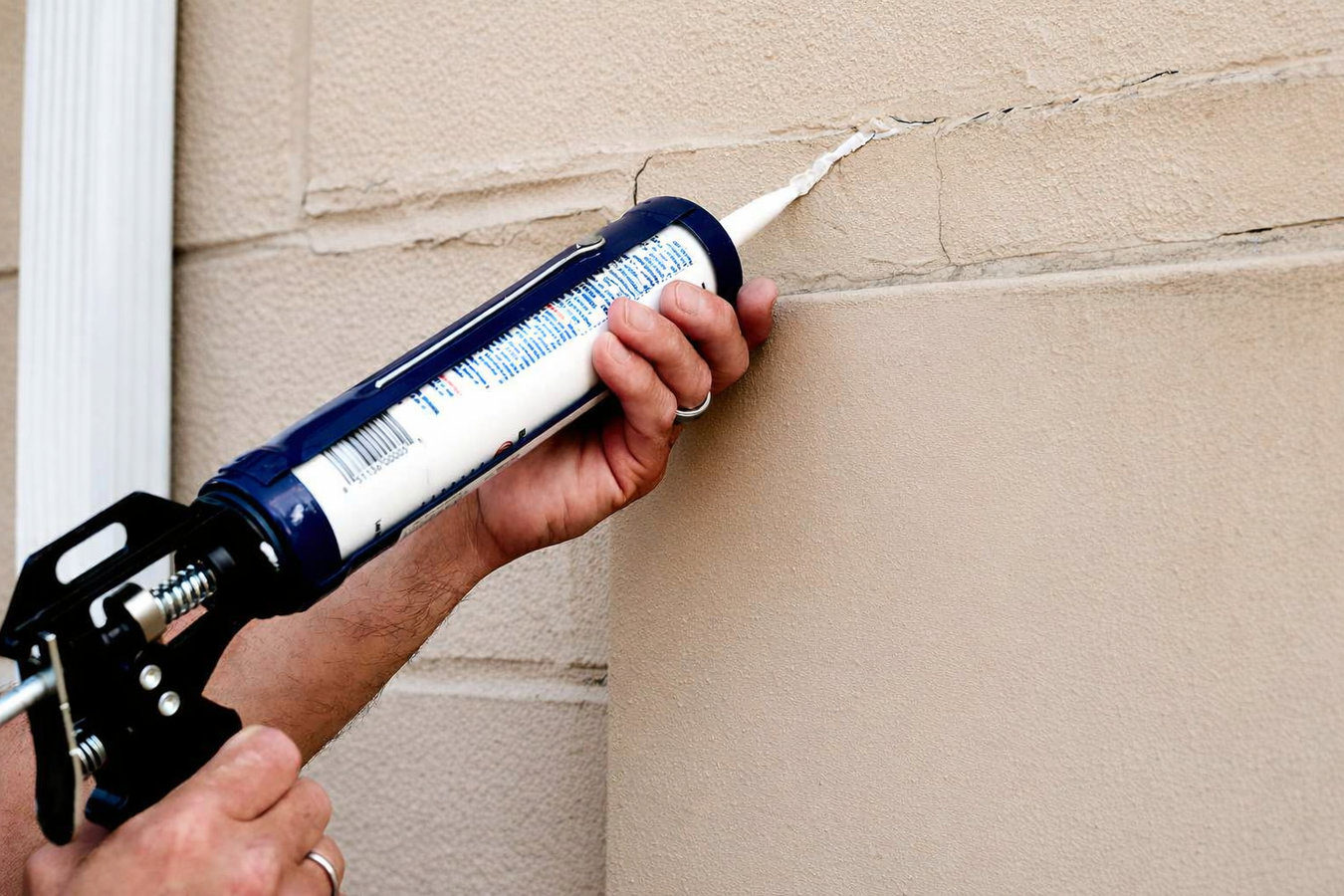
Hidden gaps in your attic, walls, and crawl space let hot outside air in and cooled air out. We find and seal them so your home holds temperature and your cooling system does not have to run nonstop to keep up.
Air sealing in Maywood means finding and closing the hidden gaps in your home's attic floor, walls, and crawl space where outside air enters and conditioned air escapes, giving your cooling system a chance to actually maintain the temperature you set. Most single-family jobs are completed in one day, and you can stay home throughout the process.
Most Maywood homes were built between the 1920s and the 1950s, before energy efficiency was a building priority. Decades of small repairs and modifications have added up to a lot of hidden air pathways - around old wiring, plumbing penetrations, attic hatches, and recessed lights. Those gaps work against everything else you do to keep your home comfortable. If you have already added insulation but still struggle to hold temperature, air leaks are usually the reason. Combining air sealing with attic air sealing and basement insulation addresses the full path that air takes through your home from bottom to top.
Beyond energy savings, a sealed home is also quieter and cleaner inside. Maywood sits near busy streets and industrial areas in southeast Los Angeles County, and a lot of the dust, noise, and outdoor air quality issues that come through walls enter through the same gaps that let heat in. Sealing those pathways keeps more of the outside where it belongs.
If your air conditioner runs for a long time but the house still feels warm and stuffy, air is likely escaping before it can cool the space down. This is especially common in Maywood's older homes, where gaps in the attic floor let conditioned air drift upward and out before it ever reaches your living room. You are paying to cool air that immediately disappears.
If one bedroom or the back of the house always runs warmer than the rest, that is often a sign that outside air is entering nearby. In homes built in the 1930s and 1940s - common throughout Maywood - framing gaps around old electrical wiring and plumbing can be surprisingly large. Uneven comfort is one of the clearest signals that air is moving where it should not.
A house that seems to get dusty again quickly after cleaning is often pulling in outside air through gaps in the attic, walls, or around recessed lights. Maywood's location near busy streets and industrial areas means outdoor air quality is not always clean. Sealing those gaps keeps more of that air outside where it belongs and reduces how often you need to clean.
Hold your hand near an electrical outlet on an exterior wall on a warm afternoon, or stand near your attic access panel. If you feel warm air coming through, you have a direct path between outside and inside. This is one of the easiest signs to check yourself, and it is extremely common in homes of the age found throughout Maywood.
We start most jobs with a blower door test - a temporary fan setup at your front door that depressurizes the house and makes air leaks far easier to locate precisely. This is how good air sealing work is done: find the leaks first, then seal them systematically rather than guessing at where the problems are. Depending on where the leaks are, we use expanding foam for larger gaps, caulk for narrow cracks, and rigid barriers for bigger openings. Most of the work happens in the attic, crawl space, or around the perimeter of the home, so you will see very little activity inside your living areas. Running the blower door test again at the end lets us show you the measurable improvement before we leave.
Air sealing works best when paired with insulation. Sealing gaps stops air from moving through your home's envelope, and insulation slows heat from conducting through the walls and ceiling. For homes where the attic is the biggest source of both air leaks and heat gain, attic air sealing handles the ceiling plane while wall and floor work handles the rest of the envelope. If your home also has uninsulated or under-insulated lower levels, combining this with basement insulation closes the path that air and heat take from the ground up. We coordinate both services so the work is done in the right order.
Suits homes where you want to confirm the location and severity of air leaks before committing to sealing work - quantifies the problem before and after.
Suits homes where the ceiling plane is the primary source of heat gain, sealing around every pipe, wire, and light fixture before insulation is added or refreshed.
Suits older homes where electrical, plumbing, and HVAC penetrations through exterior walls have never been properly sealed.
Suits homes where both insulation and air leaks are contributing to comfort problems - scheduled together to reduce total cost and disruption.
Maywood's long cooling season - May through October - means your air conditioner carries the household energy load for a significant part of the year. Air leaks make that burden substantially worse. When hot outside air has open pathways into your home through the attic floor, electrical outlets, or plumbing chases, your AC has to work against a constant inflow of heat rather than just maintaining a sealed space. Homes built before the 1960s are especially prone to this because they were constructed before any insulation or air sealing standards existed, and decades of small repairs have only added more gaps. Homeowners in nearby Bell, CA and Cudahy, CA deal with the same conditions and see the same results after sealing work is done right.
Maywood's urban density also means outdoor air quality is a practical concern. The city sits near industrial areas in Vernon and alongside busy streets that carry commercial traffic. Every gap in your home's envelope is a pathway for that outside air to enter - bringing dust, exhaust particles, and heat with it. Sealing your home keeps more of the air inside on your terms rather than the neighborhood's. Residents here are also served by Southern California Edison and SoCalGas, both of which offer rebate programs for qualifying air sealing and insulation work. We are familiar with those programs and help you capture the available savings as part of every project.
We ask a few basic questions - your home's size, age, and what has been prompting your concern. This helps us know whether to bring specialized equipment. We respond within one business day and can typically schedule a visit within one to two weeks.
A trained technician walks through your home and runs a blower door test to pinpoint exactly where air is escaping. The test takes about an hour, does not damage anything, and gives you a clear picture of where your home is losing the most energy before any work begins.
After the assessment, we walk you through what we found and give you a written estimate. This is the right time to ask about rebates from Southern California Edison or SoCalGas, and to confirm whether any permits are needed for your specific project.
Most Maywood homes are completed in one day. We seal the gaps using foam, caulk, or rigid materials depending on each leak's size and location. Before we leave, we walk you through what was done - including photos - and can run the blower door test again to show the measurable improvement. You receive documentation of the work, which you will need for any rebate or tax credit applications.
Free estimate, written quote, no obligation. We reply within one business day.
A blower door test at the start tells us exactly where air is leaking and how much. Running it again at the end gives you proof that the work made a measurable difference. That is how good air sealing is verified, and it is the standard we hold ourselves to on every job.
We know how homes from that era are built - where the framing gaps tend to be, how attic access is configured, and why decades of small repairs create more leak points than most homeowners realize. That familiarity means faster diagnosis and fewer surprises once the work starts.
Southern California Edison and SoCalGas require documentation of the work done to approve rebates. We provide photos and a written summary of everything sealed so you have exactly what the programs ask for. The Building Performance Institute at bpi.org also sets the national standard for air sealing work quality, and we follow those practices.
Some homeowners worry that sealing a home too tightly will trap stale air. We address that directly: most homes already have enough ventilation through fans and HVAC systems. If yours needs adjustment after sealing, we tell you what to do - simply and without upselling equipment you do not need.
Thorough testing, honest pricing, and genuine local knowledge are what every Maywood homeowner should get from an air sealing contractor. Our experienced crews document the work and follow the EPA's indoor air quality guidelines when recommending ventilation adjustments alongside sealing work.
Insulates the lower level of your home so heat and air cannot enter or escape through the floor structure below your living space.
Learn MoreFocuses specifically on the ceiling plane where heat rises and escapes, the highest-impact area for air sealing in most Maywood homes.
Learn MoreThe sooner your home is sealed, the sooner your AC stops fighting an uphill battle. Call or request a free estimate today and we will respond within one business day.