Loading...
Serving Maywood, CA and surrounding areas. (213) 953-8080
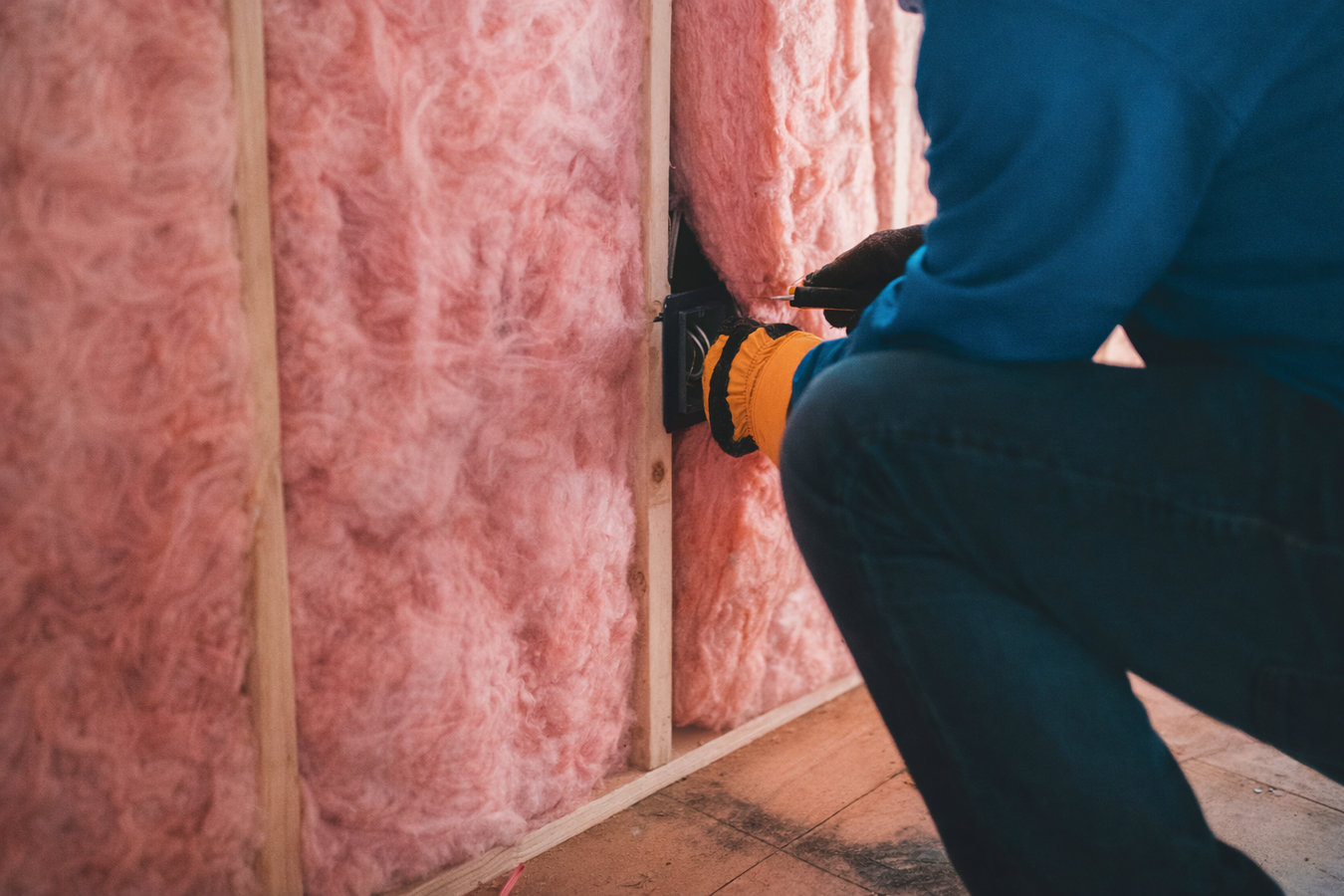
Maywood Insulation serves Downey, CA with attic insulation, blown-in insulation, and crawl space vapor barrier work tailored to the postwar ranch homes and 1950s-era stucco construction throughout the city. We have served the greater Southeast LA area since 2018 and respond to all new inquiries within one business day.
Downey summers regularly reach the mid-90s, and the low-pitched roofs on the city's single-story ranch homes concentrate that heat directly above living spaces. Our attic insulation service upgrades homes built in the 1950s and 1960s to current California Title 24 R-value standards, cutting summer cooling loads and reducing monthly utility bills for Downey homeowners.
Blown-in cellulose or fiberglass is the most practical method for adding depth to compressed or thinned-out attic insulation in Downey's older homes, and it works well in the irregular framing common to ranch-style construction from that era. The material settles into every corner and gap without disturbing finished ceilings or walls below.
California did not require wall insulation in residential construction until relatively recently, so most of Downey's homes built before 1980 have hollow or underinsulated wall cavities. Retrofit insulation added through a minimally invasive drill-and-fill process makes a measurable difference in rooms that face the afternoon sun on Downey's west- and south-facing streets.
Downey sits on clay-heavy Los Angeles Basin soil that holds moisture for weeks after winter rain events. Raised-foundation homes in the older Downey neighborhoods allow ground moisture to migrate into crawl spaces, where it can degrade floor insulation and promote wood rot. A ground-contact vapor barrier blocks that moisture before it becomes a structural problem.
Decades of clay-soil movement and thermal cycling in Downey's climate open small gaps at rooflines, around window frames, and where plumbing and electrical penetrate walls. Those gaps let hot outside air into attics and living spaces during summer, undercutting any insulation that is already in place. Air sealing those bypasses before adding new insulation improves the performance of the entire system.
Many Downey homes still have their original 1950s fiberglass batts in the attic - material that has been compressed, disturbed by pest activity, or contaminated by roof leaks over the decades. Removing and properly disposing of old insulation before installing new material ensures the replacement performs as rated from day one, rather than building on a degraded foundation.
Downey has roughly 113,000 residents and is almost entirely built out across about 12.5 square miles of Los Angeles County. The vast majority of Downey's housing stock was constructed between 1950 and 1970, which means most homes in the city are now 55 to 75 years old. Those homes were built under building codes that did not require wall insulation and allowed minimal attic insulation depths that fall well short of what California's Title 24 energy code requires today. Compounding the age problem is the climate: Downey summers are long and hot, with temperatures regularly climbing to the mid-90s from June through September, and the intense UV exposure bakes roofing materials and cracks exterior sealants that help hold the building envelope together. An insulation contractor who knows how postwar Downey homes were framed and how they age in this climate will identify problems - from pest damage in attic batts to foundation gaps that invite moisture - that a contractor without local experience would overlook.
The clay-heavy soils throughout the Los Angeles Basin, including Downey, expand and contract with every wet-dry cycle, and that seasonal movement puts persistent stress on concrete slabs, foundation walls, and the utility penetrations through them. When cracks open in foundations or slab perimeters, ground moisture enters crawl spaces and works its way into subfloors and insulation. Insulation that has been wet even once begins to lose its rated R-value, and material that cycles through wet and dry conditions repeatedly can harbor mold and contribute to air quality problems inside the home. The U.S. Department of Energy's guidance on home insulation and air sealing identifies moisture control as a prerequisite for effective insulation in climates like Southern California's, and that principle applies directly to the crawl space and attic conditions common throughout Downey.
Our crew works throughout Downey regularly, and we understand the local conditions that affect insulation work here. Downey's housing stock is almost uniformly single-story California ranch and stucco-clad construction from the postwar era, and we are familiar with the low-pitched rooflines, attached garages, and concrete slab or raised foundations that define most of these homes. Access conditions in attics and crawl spaces in Downey homes vary considerably from block to block depending on when the house was built and how additions or renovations were done over the years.
Downey is easy to navigate from our Maywood base - the 5 freeway and the 605 freeway bracket the city on the west and east, and Lakewood Boulevard and Firestone Boulevard are the two main north-south and east-west corridors most of our crew uses to move between jobs. We work on homes from the neighborhoods near the Columbia Memorial Space Center, where the Apollo and Space Shuttle programs have deep roots in Downey's community identity, to the streets near the city's southern border with Norwalk and Bellflower. We also regularly serve neighboring Compton, CA, which shares Downey's postwar housing stock profile and many of the same insulation needs.
Downey homeowners tend to be long-term residents - about half of housing units are owner-occupied, and many families have been in the same house for decades. That kind of community stability means we often work on homes where the insulation has genuinely never been updated since it was installed in the 1950s or 1960s. We also frequently work in neighboring Montebello, CA, to the northwest, where the housing character is similar.
Call or submit the contact form and we will respond within one business day to schedule your free on-site assessment. You choose the appointment time - we work around your schedule, not the other way around.
A crew member inspects your attic, crawl space, and walls and documents conditions with photos. You receive a written estimate with a fixed price before any work is scheduled - no surprise costs, and no pressure to decide on the spot.
Most attic insulation and blown-in jobs in Downey are completed in a single day. You do not need to vacate your home during work, and we clean up completely before leaving the property.
Where a permit is required, we schedule and manage the city inspection. We walk through the completed work with you before we leave and follow up to confirm you are satisfied with the results.
We serve all of Downey, CA. Free on-site estimates with written pricing - no obligation and no pressure.
Downey is a mid-size city in southern Los Angeles County with roughly 113,000 residents packed into about 12.5 square miles of fully developed suburban land. The city built out quickly during the 1950s and 1960s as returning veterans and young families sought homes in the expanding LA suburbs, and those decades left Downey with a remarkably consistent housing stock of single-story California ranch homes on modest lots. The city also carries a proud aerospace heritage: North American Aviation and later Rockwell International built the Apollo command modules and Space Shuttle orbiters here, and the Columbia Memorial Space Center on the former Rockwell site keeps that history alive for residents and visitors. Downey is also home to the oldest surviving McDonald's restaurant in the world, open since 1953 - a point of pride that speaks to the city's deep postwar roots and enduring neighborhood character.
The residential neighborhoods spread across Downey from the commercial corridor along Firestone Boulevard to the quieter streets near the city's eastern border with Norwalk. Housing is predominantly owner-occupied single-family homes, with a mix of duplexes and older apartment buildings concentrated along the main commercial corridors. About half of Downey households own their homes, and median home values in the $650,000 to $700,000 range give residents strong financial incentive to invest in maintenance and improvements. We serve homeowners throughout the city, and we also work regularly in neighboring Compton, CA to the west and South Gate, CA to the northwest, both of which share Downey's postwar housing profile.
Seal gaps and maximize energy efficiency with professional spray foam application.
Learn MoreKeep your home comfortable year-round with properly installed attic insulation.
Learn MoreFill hard-to-reach spaces quickly with blown-in insulation for lasting comfort.
Learn MoreImprove your home comfort and lower energy bills with whole-home insulation.
Learn MoreSafely remove old or damaged insulation to prepare for a fresh installation.
Learn MoreProtect floors and pipes by properly insulating your home crawl space.
Learn MoreReduce noise and heat transfer with insulation installed inside your walls.
Learn MoreCreate a warmer, drier basement with professional insulation solutions.
Learn MoreHigh-density closed-cell foam delivers superior moisture resistance and R-value.
Learn MoreFlexible open-cell foam expands to fill cavities and reduce sound transmission.
Learn MoreInsulation solutions designed for commercial buildings and business facilities.
Learn MoreBlock ground moisture from entering your home with a durable vapor barrier.
Learn MoreProfessional vapor barrier installation to protect your structure from moisture damage.
Learn MoreAdd insulation to existing walls and spaces without major renovation work.
Learn MoreOur crew is familiar with Downey's postwar housing stock and ready to assess your home. Contact us now and hear back within one business day.