
Loading...
Serving Maywood, CA and surrounding areas. (213) 953-8080
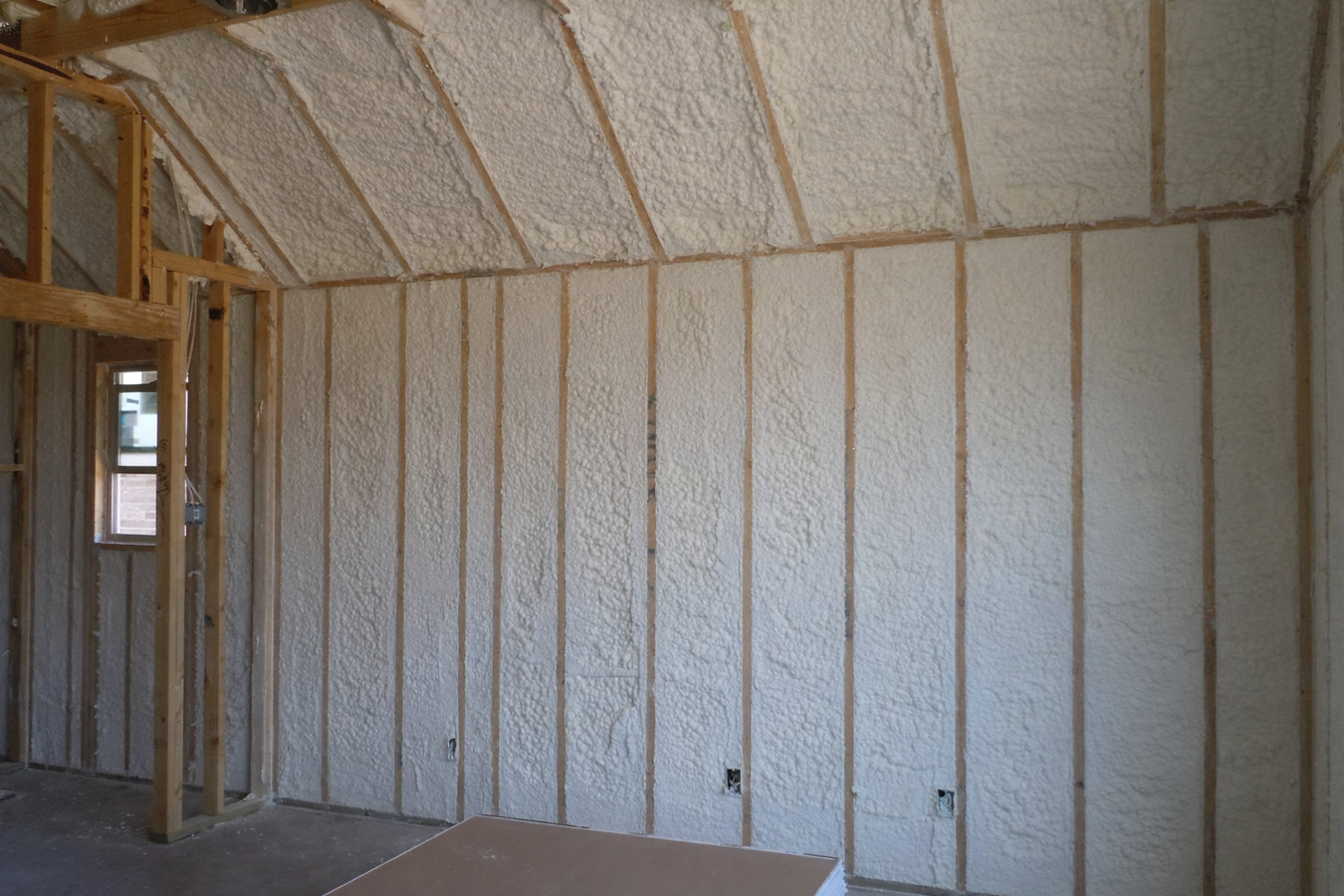
Older Maywood homes lose heat and cool air through walls built before insulation was standard. Closed-cell foam fills every gap and delivers twice the performance per inch of standard batts.
Closed-cell foam insulation in Maywood is sprayed on as a liquid, expands into a firm dense foam, and cures within minutes to create both a thermal barrier and an air seal in one pass. Most residential jobs are completed in a single day, and the home is ready to re-occupy within 24 hours of application.
Unlike fiberglass batts or blown-in fill, closed-cell foam expands to fill every crack and gap in the wall cavity - so it stops air movement, not just heat conduction. That combination is what makes the comfort improvement so noticeable after installation. Most Maywood homes were built in the 1920s through 1950s, when wall cavities were left empty or filled with materials that have long since degraded. Closed-cell foam is one of the few options that can be retrofitted into existing walls without tearing out drywall, making it particularly practical in a neighborhood where full renovations are expensive.
If you are comparing foam types, spray foam insulation covers both closed-cell and open-cell options - a contractor can help you choose the right density for your specific application and budget.
If your electricity bill has been creeping up year after year - especially during Maywood's hot summer months when air conditioning runs constantly - poor insulation is one of the most common causes. Heat moves through uninsulated or under-insulated walls and ceilings, forcing your AC to work harder and run longer. Homes built before the 1960s that have never had insulation work done are especially vulnerable.
In Maywood's older bungalows and stucco homes, it is common for a back bedroom or west-facing room to feel noticeably warmer than the rest of the house in summer. That uneven comfort is a sign heat is entering through walls or ceilings with little or no insulation. Closed-cell foam applied to those specific areas can make a dramatic difference in how livable those rooms feel.
Hold your hand near an electrical outlet on an exterior wall on a cool evening. If you feel a faint draft or the wall feels cold to the touch, air is moving freely through the wall cavity. This is extremely common in Maywood homes built in the 1930s and 1940s, which were constructed without the air-sealing techniques used today.
If you have opened a wall for a repair and found dark staining, soft wood, or a musty odor, moisture has been getting in. Uninsulated wall cavities allow warm, humid air to condense on cooler surfaces inside the wall. Closed-cell foam stops that moisture movement, which can prevent the problem from returning after the repair is made.
We apply closed-cell foam to attics, crawl spaces, wall cavities, basement walls, and rim joists. For each area, the installer masks off surfaces that should not get foam - electrical boxes, vents, and finished surfaces near the work zone - then builds up the foam to the correct thickness for your climate zone. The finished surface looks smooth and even, and you can inspect it before the crew leaves. We also pair closed-cell foam with open-cell foam insulation on the same project when different areas call for different performance levels.
For homeowners who want the performance of closed-cell foam without accessing finished walls, we offer injection foam - a process of drilling small holes in the exterior and injecting foam into the cavity without removing drywall. This is a common approach for Maywood homes where the interior is finished and the owner does not want the disruption of a full wall tearout. Every application follows SPFA installation standards.
Suits homes with shallow attic clearances where thick batts or blown-in fill will not fit but maximum performance is still needed.
Ideal for homeowners who want insulated walls without tearing out existing drywall - small access holes are drilled and patched after filling.
Best for below-grade spaces where moisture resistance matters alongside thermal performance, combining insulation and vapor control in one material.
The right choice for sealing the gap between the top of the foundation and the first floor subfloor - one of the most common air leak points in older Maywood homes.
Most homes in Maywood were built between the 1920s and 1950s - a period when wall cavities were left empty or filled with materials that have long since settled or degraded. That means many homes here have little to no effective insulation right now, and the energy is going straight through the walls. Closed-cell foam's ability to deliver high insulating value in a thin layer is particularly practical in Maywood, where many homes have very shallow attic clearances or no accessible crawl space at all. There simply is not room for thick batts or blown-in fill in those spaces, but closed-cell foam does not need the room.
California's energy code requires that permitted insulation work meet specific performance standards, and a contractor familiar with those rules handles the documentation for you. We serve homeowners across the area, including Bell Gardens, CA and South Gate, CA, where the same pre-war housing stock and energy challenges are common.
When you call or submit a request, we ask about the age of your home, which areas you want insulated, and whether you have had any work done before. Most Maywood contractors can schedule an in-home estimate within a few days. We reply within one business day to confirm your appointment.
We walk through the areas you want insulated and take measurements, checking access points to confirm spray equipment can reach where it needs to go. Maywood's older homes sometimes have tight attic hatches or limited crawl space entries - we account for those before quoting. You receive a written quote before anyone leaves.
Plan to be out of your home - along with pets and houseplants - for the day of work and the following 24 hours while the foam cures. The contractor will remind you of this more than once before the scheduled date. This is the most important preparation step and a firm health requirement, not a suggestion.
Once you return, review the finished work with the contractor or look through photos they took of each area. If your project required a permit under California rules, the contractor handles inspection scheduling and gives you copies of all paperwork for your records.
No obligation, no sales pitch - just an honest assessment and a written quote. We reply within one business day.
Every job starts with a written scope you approve and ends with a clear record of what we did. You can inspect the finished foam before the crew leaves, and we walk you through the coverage and thickness so you know exactly what you paid for. That transparency is non-negotiable.
Most homes in Maywood were built in the 1930s and 1940s with construction methods and materials that present specific challenges for retrofit insulation work. We know what to expect inside these walls and how to handle tight attic clearances, original balloon framing, and shallow crawl spaces without creating problems for other systems in the home.
Closed-cell foam requires the home to be vacated for a full day after application. We build that into the schedule, remind you well in advance, and confirm the all-clear before you re-enter. Cutting the curing period short is a health risk - we do not do it and we do not allow homeowners to do it on our jobs.
You receive a written estimate that specifies the areas to be covered, the foam thickness, and what preparation and cleanup are included. There are no verbal promises or surprises at billing. California permits, if needed, are handled by us - we tell you upfront whether your project requires one and file it on your behalf.
When the foam is applied at the right thickness by a trained installer, the results are visible and lasting. You can see and touch the finished surface before we leave, and the improvement in comfort is typically noticeable within the first few days. The EPA publishes guidance on safe spray foam application - we follow it on every job.
A softer, lower-density foam option well suited to interior walls and attic floors where moisture resistance is less of a priority than sound control.
Learn MoreThe broader category covering both closed-cell and open-cell spray foam options - a starting point if you are still deciding which foam density is right for your project.
Learn MoreMaywood's summers are long and hot. Getting your walls and ceilings properly sealed before the heat peaks means you feel the difference all season long. Call us or request a free estimate online.